

Genie Rodriguez‑Lopez, commonly known as M.C. GeGee in Christian music circles, has been asking God what’s wrong with her for 47 years. She finally has that answer, and the odds are one in quadrillion. Now, she’s fighting for her life because of the accident at Three Mile Island.
Who is M.C. GeGee?

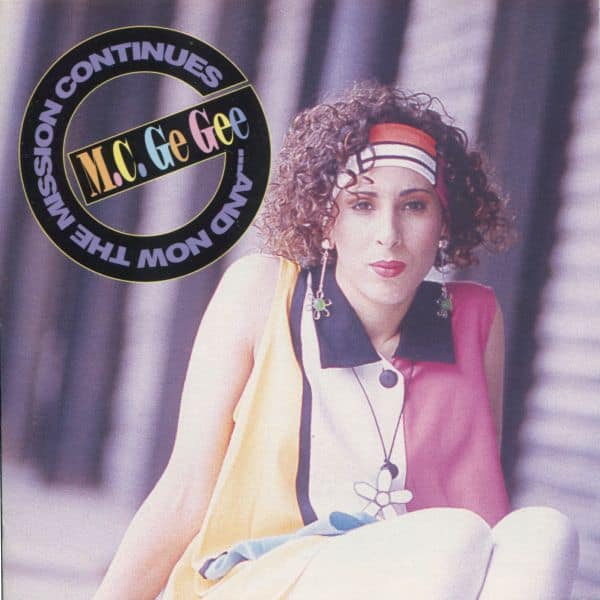
In the late 80s and into the early 90s, M.C. GeGee became the first woman signed to a Christian rap distribution deal. She originally started her music journey as a drummer for her brother, Danny “D-Boy” Rodriguez. With her keen sense for rhythm and a love for poetry, D-Boy thought she could parlay that into hip-hop. So he began teaching her.
After he was tragically murdered in 1990, she picked up the mic and dropped two albums.
The tragedy of losing her brother, a very bad head-on collision a few years prior, and the pressure of being a female in hip-hop, became too much for Genie. She stepped away, started a family, but always struggled both physically and mentally.
For years, she was labeled a hypochondriac or told she was making things up. Doctors always dismissed her or misdiagnosed things that were happening. In the last few years, her body has gone so haywire that she began connecting the dots through medical research and testing.
Three Mile Island
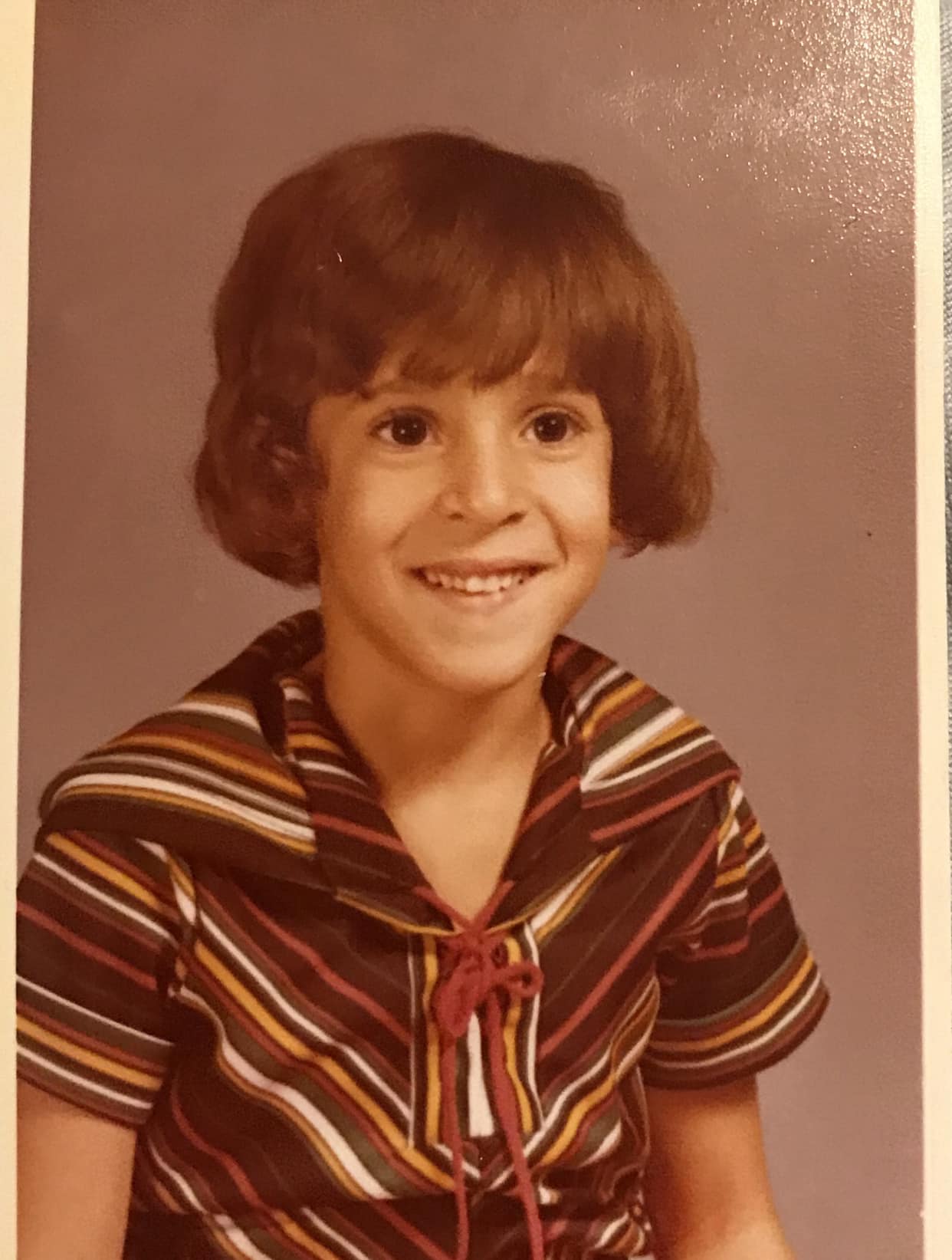
In 1979, her family lived near Three Mile Island in Dover, Pennsylvania. They were there working in a ministry for girls. Three Mile Island was also home to a nuclear power plant that had a partial meltdown on March 28th of that year.
Genie was 7 years old at the time. She and her siblings would spend a lot of time outside playing. She would drink from the water outside, pick berries and eat them, and so on. They didn’t know any better. Because of these actions, she had been unknowingly exposing both the inside and outside of her body to radiation. That radiation has been slowly breaking down her body for her entire life.
It finally reached a point where there’s more radioactive DNA in her body than the original DNA she was born with. Her DNA has transformed so much on the genome level that her labs look like she’s been on chemotherapy for years. In fact, they’ve mutated and transformed so much that on the DNA level, she’s a completely different person.
*About to throw a lot of data at you. Will put chunks of info verbatim in italics.
Genome Data
The patient’s genome does not exhibit localized mutations; it reveals a systemic shattering of the chromosomal architecture.
Gegee’s entire body is failing from the inside out. She has breathing problems, lesions, and organs that are moving around, and giving off false positives of autoimmune disease and various infections.
The technical team used the COSMIC framework to read mutational fingerprints and reported a concentrated, unmistakable pattern: “Utilizing the COSMIC (Catalogue of Somatic Mutations in Cancer) framework, the patient’s variants are concentrated in two primary signatures: COSMIC Signature 11 (Ionizing Radiation) and COSMIC Signature 3 (HRR Deficiency).” Those two signatures are not casual observations. One is the molecular barcode of ionizing radiation; the other is the mark of a collapsed high‑fidelity repair system.
She had a genome test done to figure out what was happening.
~46,000 structural variants: 26,784 deletions, 15,654 duplications, 1,584 inversions, and 2,296 insertions. Typical germline genomes show dozens of rare structural events, not tens of thousands. The mutational burden lists ~79,511 variants assigned to Signature 11 and ~69,313 variants to Signature 3. Statistical exhibits attached to the analysis frame these observations as effectively impossible under normal circumstances—probabilities reported as less than 10⁻¹² to 10⁻¹⁵ for several features.
For those keeping up, 10⁻¹² to 10⁻¹⁵ is anywhere from a trillion to a quadrillion of a chance of happening. A quadrillion is like picking one second out of 31.7 million years.
How radiation writes on DNA and why chromothripsis matters
Ionizing radiation breaks DNA. When a cell is dividing—when its DNA is being unzipped and copied—those breaks are most dangerous. A single double‑strand break can be repaired cleanly; thousands clustered together can be rejoined incorrectly, producing rearrangements and deletions. When a chromosome is shattered and stitched back together in a chaotic pattern, genomicists call it chromothripsis—literally, chromosome shattering. Chromothripsis is not damage; it is an explosion.
Mutational signatures are the forensic language of that explosion. Different mutagens—ultraviolet light, tobacco carcinogens, chemotherapy agents, ionizing radiation—leave different patterns of base changes and rearrangements. COSMIC Signature 11 is the pattern associated with ionizing radiation and certain alkylating agents. Signature 3 signals homologous recombination repair (HRR) failure, the collapse of the cell’s high‑fidelity repair crew. Without HRR, cells resort to error‑prone fixes, and the damage compounds.
Genie describes the chromosomes in her body as “rebar snapping” and “lead‑pipe plumbing.” Her diaphragm is now shoved under a rib, lungs scarred, vessels acting like a leash.
Terms
Structural genes (COL1A1, COL5A1) encode collagen and connective tissue that keep organs in place. Damage here loosens the internal structure. Diaphragmatic displacement and organ shift follow.
Large structural proteins (TTN, ANO5) are essential for muscle integrity. Their erosion explains progressive muscle failure and the sensation of tissues “dissolving.”
Vascular genes (ACTA2) control smooth muscle in vessel walls. Mutations can make arteries rigid and less compliant—clinically experienced as a pulsing, tethering “leash” that transmits force to limbs and the chest.
TP53, the genome’s chief quality controller, regulates cell cycle and apoptosis. When TP53 is compromised, the balance between cell death and survival is disturbed. Some tissues undergo excessive apoptosis while others allow clonal expansions that raise cancer risk.
Her scarred lungs increase the work of breathing. A displaced diaphragm reduces lung volume. Rigid vessels alter hemodynamics and stress the chest wall. Connective tissue failure changes thoracic geometry. One system’s failure amplifies another’s. Imaging and pulmonary exams, interpreted by clinicians who had never seen this damage, were consistent with these genomic drivers.
At the Breaking Point
For decades after 1979, Genie’s body compensated. Like a suspension bridge with frayed cables, the structure held because other elements took up the slack. That is why decline could be slow and misunderstood. Standard medical tests: blood panels, autoimmune screens, and imaging interpreted in isolation are not designed to detect a genome that has been catastrophically rearranged in childhood. Whole‑genome sequencing is the whistleblower technology that finally reads the pattern.
Genie’s account describes the structural tipping point for when the bridge collapses. Clinically, that looks like a sudden acceleration of symptoms. She even said it feels like a cable is pulling at her jaw.
Clinical urgency: what must change now
Standard rheumatology and neurology protocols are insufficient. She needs a specialized team. The priorities are urgent and specific.
Immediate (days to 2 weeks)
Risk‑aware stabilization. Avoid high‑dose steroids or interventions that increase hemodynamic stress until vascular fragility (ACTA2) and aneurysm risk are assessed. Use low‑risk analgesia and noninvasive respiratory support as needed.
Hematologic triage. Obtain targeted sequencing of blood stem‑cell drivers and peripheral counts to quantify clonal hematopoiesis and myeloproliferative risk.
Short term (2–8 weeks)
Multidisciplinary case conference. Convene clinical genomics, hematology/oncology, vascular medicine, pulmonology, and radiobiology to create a prioritized plan.
Confirmatory genomics. Send raw WGS data for independent reanalysis to at least two academic centers to confirm signature assignments, structural variant calls, and clonality metrics.
Medium term (2–6 months)
Targeted interventions and trials. If HRR deficiency is confirmed, evaluate eligibility for targeted strategies informed by oncology (while weighing systemic fragility). Consider enrollment in carefully designed translational protocols that prioritize safety.
Supportive mechanics. Pulmonary rehabilitation, diaphragmatic pacing evaluation, and vascular compliance monitoring should be coordinated to reduce mechanical stress and preserve function.
Research value, ethics, and public policy
A living human genome with a dominant radiation signature plus HRR collapse and chromothripsis is exceptionally rare. Carefully conducted research could reveal mechanisms of late‑onset tissue failure, clonal evolution after environmental insult, and pathways that convert a one‑time event into a lifelong cascade. But research must be governed by strict ethical guardrails. Genie’s advocacy and spiritual framing should be respected in study design and dissemination as well.
Policy implications are immediate. The case strengthens the argument for a national radiation exposure registry that links exposure history to long‑term genomic and clinical outcomes. Historical assessments often used a “Reference Man” model that underestimates child vulnerability. Modern registries should stratify by age, sex, and developmental stage.
Radiation protection standards and retrospective exposure assessments should be reexamined with modern genomic tools and attention to vulnerable subpopulations. If validated, cases like this argue for specialized care pathways and compensation mechanisms that recognize latent, structural genomic injury rather than only acute radiation sickness.
Prayer, purpose, and public action
Genie asks for prayer as she endures this battle. She asks that her story reach researchers at institutions like NIH, MD Anderson, and MSKCC. She asks that the world hear that a child’s exposure can leave a forensic trail in bone marrow and that the consequences can unfold over decades.
Pray that the emails and files would land on the desks of top researchers like Dr. Mark McNutt at UTSW. The Research he and his respected colleagues do could bring about breakthroughs in cancer research. She has not signed an NDA or accepted compensation like fellow survivors. Pray that top Researchers might have the eyes to see the truth and the heart to act quickly. They will likely never see another research candidate like me with deletions in every system within the human body.
She wants her data to advance science and to protect future children. Genie wants a national conversation about how we measure harm and whom we protect. She wants the name of Jesus amplified more than the radiation. She asks for endurance, for a structural miracle, and for the researchers who might see in her genome a path to discovery.
What must happen next, practically
Immediate expert triage. Transfer raw genomic data and clinical summary to clinical genomics and radiobiology teams for independent confirmation.
Independent reanalysis. At least two academic centers should reanalyze raw WGS to confirm signature assignments, structural variant calls, and clonality metrics.
Multidisciplinary planning. Convene a tumor‑board style meeting with genetics, hematology, vascular medicine, pulmonology, radiobiology, and palliative care to create a prioritized, risk‑minimizing plan.
Controlled research protocol. If the patient consents, create an IRB‑approved research protocol with privacy protections and translational goals.
Genie and Three Mile Island
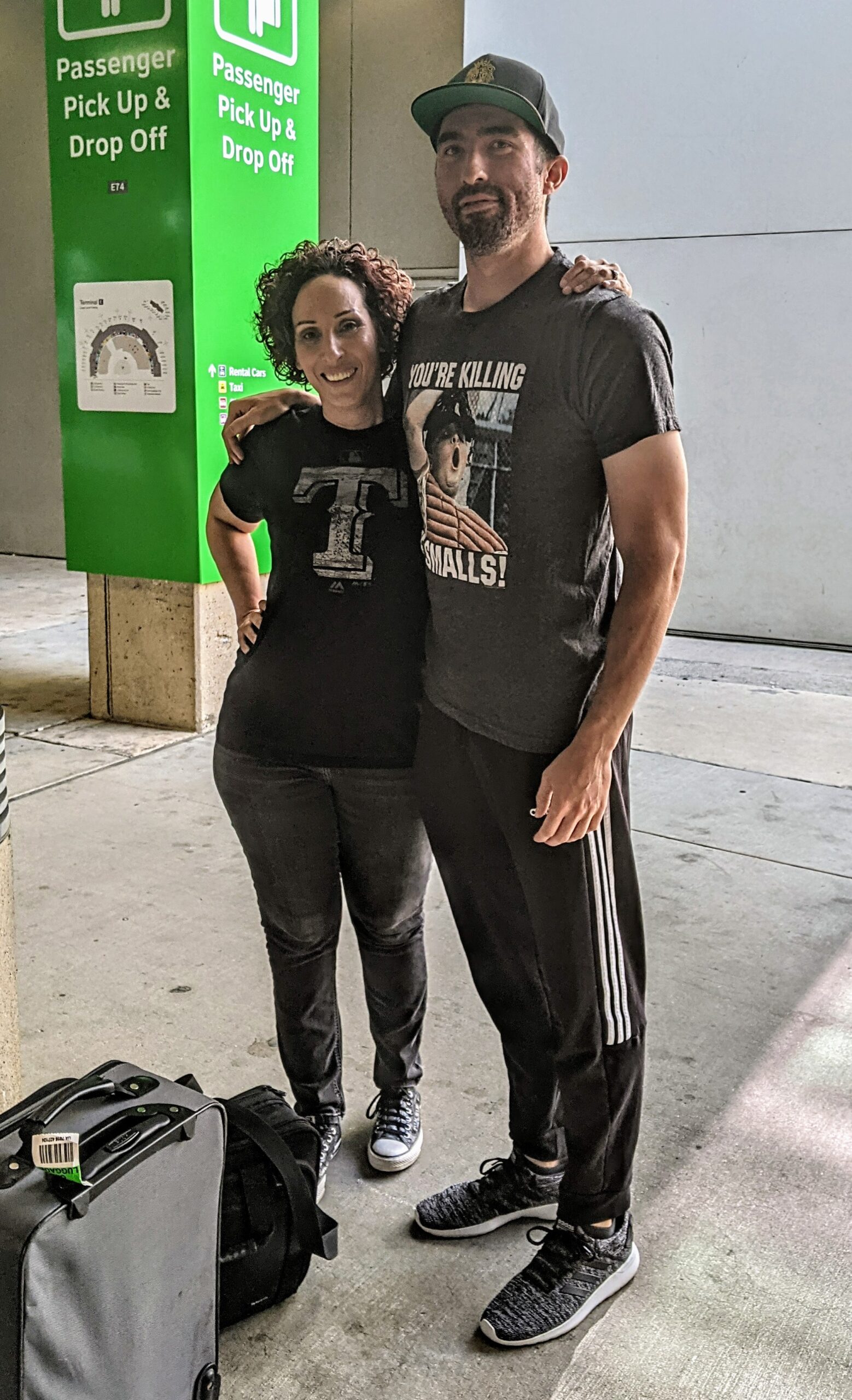
For years, M.C. GeGee was known as D-Boy’s little sister. She struggled with identity and worth. No one ever wanted to know her story, only her brothers. She gladly told that story, deeming her own insignificant. It wasn’t until a few years ago that she realized the historical nature of her impact on Christian music.
Now, even in her suffering and pain, she has a chance to be remembered further. While the Three Mile Island accident didn’t kill anyone immediately, how many people have suffered from radiation sickness over this lst 50 years? How many people died from cancers or illnesses they shouldn’t have had? The research on Genie has directly linked her to the first documented case of TMI radiation sickness. This may lead to others coming forward, either in this case or others like it.
M.C. GeGee was a trailblazer for women in Christian Hip-Hop and, in an unexpected twist, may be a trailblazer for genome/DNA research and the effects of radiation. For years, she has longed to make a documentary of her brother, but perhaps a Three Mile Island one will surface instead.
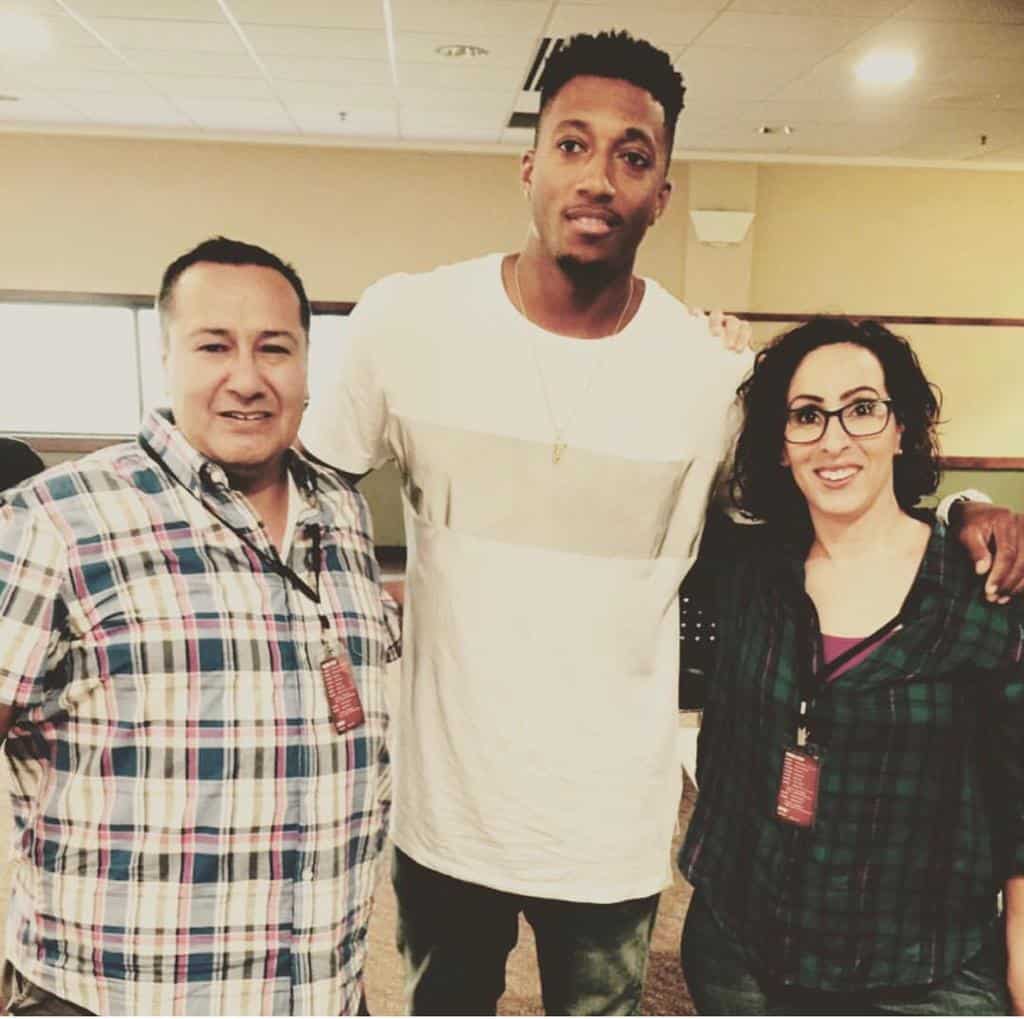
Genie would love to hear from you. She said to send words of encouragement and support to:
D-Boy Community Center c/o GeGee
P.O. Box 451563
Garland, TX 75045
What do you think of Genie’s story and the Three Mile Island incident? Keep her in your prayers!
The post M.C. GeGee is 1st Documented Three Mile Island Radiation Victim appeared first on Rapzilla.
Source: rapzilla.com
Original article: M.C. GeGee is 1st Documented Three Mile Island Radiation Victim